
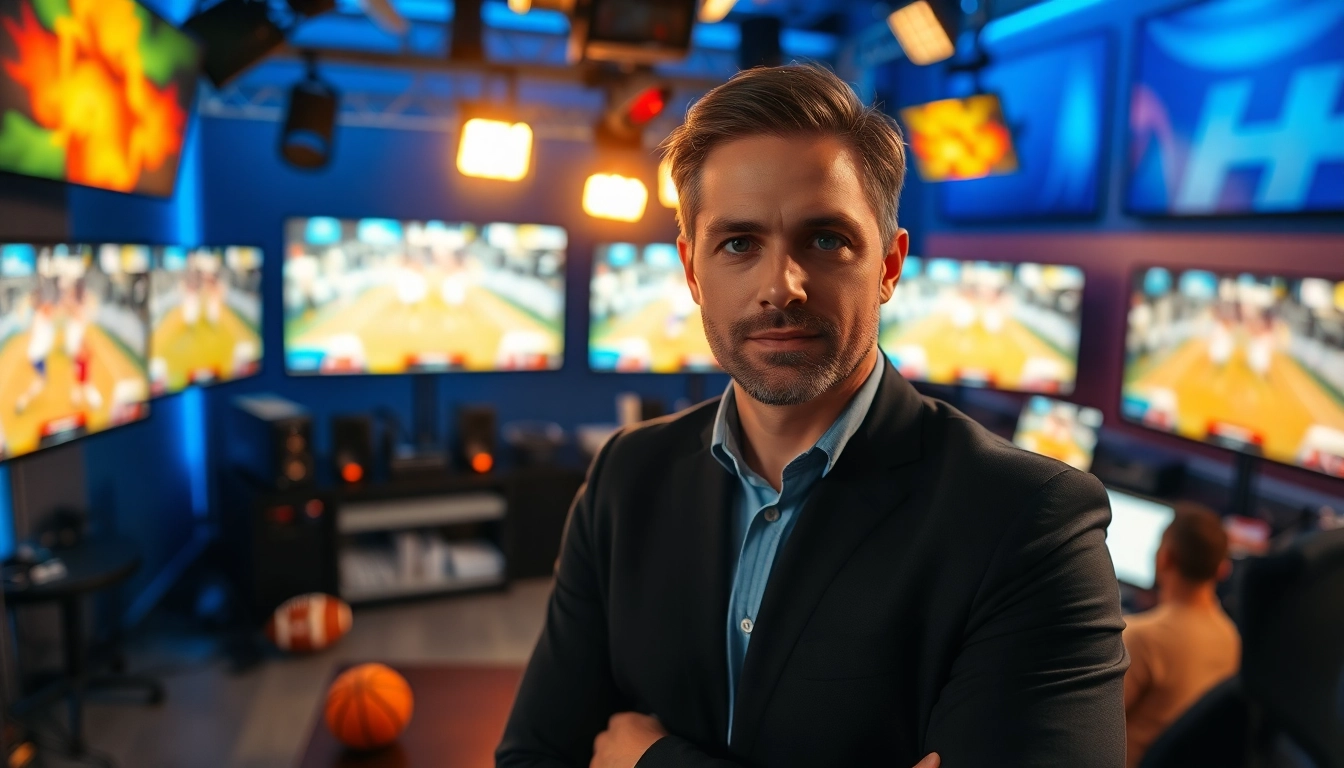
The Evolution of Sports Broadcasting
History and Milestones
Sports broadcasting has undergone significant transformations since its inception in the early 20th century. The history began in 1921, when the first live radio broadcast of a sporting event occurred, featuring a boxing match between Jack Dempsey and Georges Carpentier. This moment marked a pivotal milestone, expanding the audience’s access to sports and laying the groundwork for future advancements in broadcasting technology.
As the popularity of radio grew, so did the reach of sports broadcasting. The 1930s saw the introduction of play-by-play commentary, enhancing listener experience by providing real-time analysis and excitement. Then, the 1950s brought television into the mix, revolutionizing how fans consumed sports. Iconic broadcasts like the first televised World Series captivated audiences, driving the demand for more televised events.
Fast forward to the digital age of the 21st century, where internet streaming began to dominate viewing habits. Platforms like ESPN, NBC Sports, and others created dedicated sports broadcasting channels, offering a variety of programming that catered to diverse audiences. Today, the rapid convergence of technology continues to shape the landscape, with Sports Broadcasting evolving alongside viewer preferences and technological innovations.
Technological Innovations
The progression of sports broadcasting has been closely tied to technological innovations. The introduction of color television in the 1960s allowed for more vibrant and engaging broadcasts, while the introduction of satellite technology in the 1980s expanded the reach of sports events globally. These technologies not only improved quality but allowed broadcasters to reach viewers regardless of geographic barriers.
In recent years, advancements in streaming technology have transformed how viewers access games. With high-definition streaming, virtual reality (VR), and augmented reality (AR), broadcasters are enhancing viewer experience, making it more immersive and interactive. Technologies such as 4K Ultra HD and Dolby Atmos are now standard offerings on many sports broadcasts, providing viewers with superior quality and an enhanced sense of presence.
Current Trends
Today, the future of sports broadcasting is marked by several prominent trends. First, the shift towards digital and mobile viewing has become critical, as younger audiences prefer accessing content on smartphones and tablets. Second, the integration of social media in sports broadcasts allows for real-time interaction between fans and commentators, enriching the viewer experience.
Moreover, the emergence of data analytics in sports broadcasting provides insights that were previously unavailable. Commentators now utilize statistics and real-time data to enhance storytelling during broadcasts, engaging audiences with a deeper understanding of the game. Lastly, the rise of niche streaming services has led to the growth of specialized broadcasting aimed at catering to specific fandoms, showing that the landscape is continuously evolving.
Essential Skills for Sports Broadcasters
Communication and Presentation
At the heart of effective sports broadcasting lies exceptional communication and presentation skills. Broadcasters must convey information clearly and concisely, capturing the essence of the sporting event while keeping the audience engaged. Strong vocal skills, including tone modulation and pacing, are essential, as they can dramatically influence how the broadcast is received.
Moreover, effective body language and facial expressions are crucial for on-screen talent, as they complement verbal communication and enhance connection with the audience. The best broadcasters develop a unique style that resonates with viewers, creating a memorable impression that encourages audience loyalty.
Research and Analysis
Research and analysis form the backbone of informed and insightful commentary. Broadcasters need to be well-informed about the teams, players, past performances, and recent developments. This information allows them to provide context during the broadcast, helping audiences understand the significance of the game events. Fact-checking and preparing in advance are essential components of this process.
Additionally, an understanding of analytics and current trends in sports provides a competitive edge. Utilizing insights from advanced statistics not only enriches the narrative but elevates the broadcast’s quality. A broadcaster who can interpret and relay complex data simply is invaluable to their audience.
Audience Engagement Techniques
Engaging with the audience is vital in today’s sports broadcasting landscape. Broadcasters must be adept at making connections with viewers, fostering an inclusive atmosphere that encourages participation. Live polls, social media integration, and responding to viewer comments can enhance engagement during broadcasts.
Storytelling is another powerful tool. Broadcasters who share compelling anecdotes, player backgrounds, or game histories can create emotional connections with viewers, making the broadcast more memorable. By leveraging various techniques to connect and engage, broadcasters can significantly enhance the viewing experience and promote audience loyalty.
Understanding Your Audience in Sports Broadcasting
Identifying Demographics
A key element of successful sports broadcasting is understanding the audience’s demographics. Different demographics may include age, gender, geographic location, and level of sports knowledge. Tailoring content to these diverse groups is essential for resonating with viewers, ensuring that broadcasted events appeal to a broad audience.
For instance, understanding that younger audiences favor digital content may prompt broadcasters to offer alternate streaming options or engage with viewers on social media platforms. By analyzing viewership patterns and demographic data, broadcasters can modify their approaches to meet the needs and preferences of their target audience effectively.
Engaging Different Viewership
Engaging with diverse viewership requires customized strategies. Broadcasters should recognize that different segments of audiences prefer different styles of content and interaction. Some viewers may enjoy in-depth analytical discussions, while others prefer a more straightforward, entertaining approach.
Furthermore, utilizing various communication channels—such as social media, podcasts, and video highlights—can help reach various audience segments. Creating tailored content, such as specialized commentary or engaging behind-the-scenes insights, can also cater to niche audiences, fostering inclusivity and broadening the overall reach.
Utilizing Feedback for Improvement
Feedback plays a crucial role in refining broadcasting strategies. Collecting viewer feedback through polls, surveys, and social media interactions allows broadcasters to understand their audience better and adapt their approaches accordingly. Not only does this process enhance viewer satisfaction, but it also fosters a sense of community among viewers.
Additionally, analyzing metrics related to viewership, engagement levels, and social media interactions can provide valuable insights into what resonates with audiences. Continuous improvement based on this feedback leads to an evolved broadcasting style that keeps pace with audience wants and needs.
Challenges in Sports Broadcasting
Live Event Coverage
Live event coverage presents unique challenges for sports broadcasters. Unpredictable factors, such as weather conditions, technical difficulties, or unexpected player injuries, can disrupt planned broadcasting. Skillful broadcasters must remain adaptable, sometimes adjusting commentary in real-time to maintain flow and viewer interest.
Additionally, live broadcasts require swift and accurate decision-making. Broadcasters need to deliver information promptly while ensuring factual accuracy, striking a delicate balance between excitement and professionalism. Thorough preparation can help mitigate unexpected challenges during such events.
Maintaining Viewer Interest
Viewer interest can fluctuate rapidly. Keeping the audience engaged throughout a broadcast requires variety and innovation. Broadcasters should regularly incorporate diverse segments, features, or guest commentators to maintain freshness and intrigue.
Utilizing interactive elements, such as live Q&As and polls, can also boost engagement. Storytelling techniques, such as sharing player anecdotes or historical milestones, can capture attention and keep viewers invested in the broadcast.
Handling Controversial Situations
Controversies in sports are inevitable, and how broadcasters navigate these situations is critical. Approaching sensitive topics with professionalism and objectivity is essential. Broadcasters should remain neutral, providing factual analysis without expressing overt bias, especially during high-stakes scenarios.
Instead of steering clear of controversies, broadcasters can address them with informative discussions. This approach contributes to building credibility while ensuring the audience receives a well-rounded view of the issue at hand.
Future of Sports Broadcasting
Impact of Streaming Services
Streaming services have dramatically reshaped the landscape of sports broadcasting. The proliferation of platforms enables viewers to customize their viewing experiences, selecting content that caters to their specific interests. Traditional broadcasting is increasingly competing with these services, which often offer exclusive access to games, highlights, and analyses.
As streaming continues to gain traction, broadcasters may need to adapt their strategies. Considerations include developing their own platforms or partnering with existing services to reach wider audiences. Expanding access to global audiences through flexible streaming options is pivotal for future success.
Integration of Virtual Reality
Virtual reality (VR) technology is on the rise and poised to revolutionize sports broadcasting. By providing immersive viewing experiences, VR can transport fans to the heart of the action, allowing them to experience events from unique angles or even interactive settings.
This technology enhances engagement significantly; for instance, fans can feel as if they are in the stadium, enjoying unique perspectives. As VR tech continues evolving, broadcasters must explore integrating it into live events. This integration can redefine how audiences engage with sports content.
Ethics and Integrity in Broadcasting
As the sports broadcasting landscape evolves, ethical considerations become increasingly critical. Maintaining integrity, objectivity, and transparency is paramount in building and retaining audience trust. Broadcasters must be diligent in fact-checking and delivering accurate information, particularly during high-stakes scenarios.
Moreover, adhering to industry ethics regarding sponsorships and advertisements helps cultivate credibility among viewers. Intentional practices that prioritize ethics contribute to a trusted broadcasting environment and loyalty from the audience.
FAQs
What are the key trends in sports broadcasting?
Key trends include the rise of digital and mobile viewing, integration of social media, data analytics, and niche streaming services. These elements provide viewers with diverse and engaging content options.
How do sports broadcasters engage with viewers?
Sports broadcasters engage with viewers through interactive elements like polls and social media, storytelling techniques, and tailored content that resonates with diverse audience segments.
What skills are essential for a successful broadcaster?
Essential skills include strong communication and presentation abilities, research and analytical skills, as well as strategies for audience engagement. These enhance the quality of broadcasts.
What challenges do broadcasters face during live events?
Challenges during live events include unpredictable disruptions, maintaining viewer interest, and addressing controversial situations effectively. Preparedness and adaptability are crucial.
How is technology shaping the future of sports broadcasting?
Technology, including streaming services and virtual reality, is transforming sports broadcasting by providing immersive experiences, increasing accessibility, and enabling personalized content delivery.